
The furniture industry is buzzing with terms like “sustainable furniture,” “eco-friendly furniture,” “sustainably manufactured,” “circular furnishing,” and “ethically sourced .” But what do these terms mean? How can consumers discern which retailers genuinely minimize environmental impact and contribute to a sustainable furniture industry?
To fully understand these concepts, we need to explore the entire life cycle of furniture — from design to disposal. At each stage, critical decisions shape the sustainability of the process. This article delves into these stages, highlighting what makes furniture sustainable and how Soul & Tables is pioneering towards a circular furniture industry.
Design & Production Stage
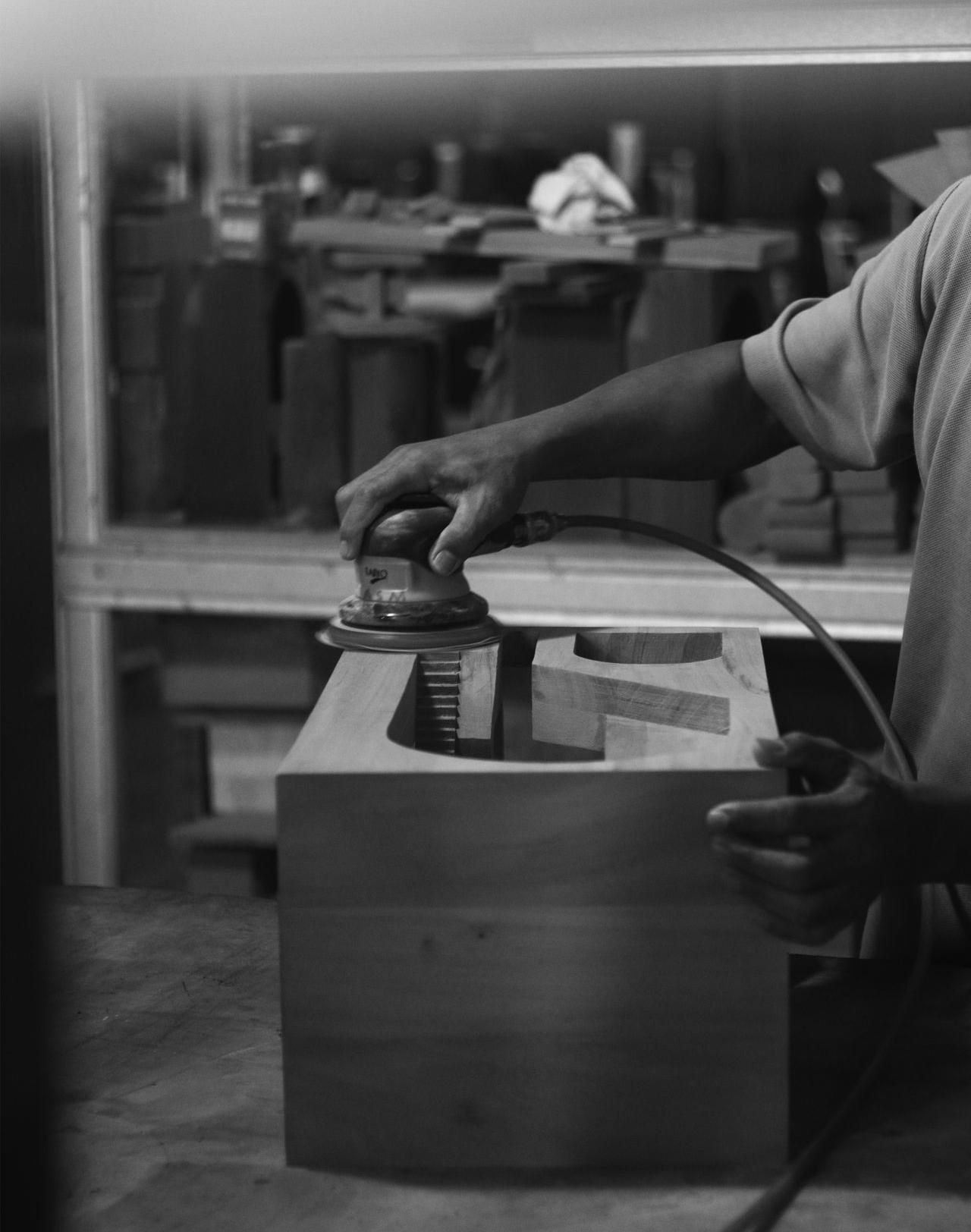
The sustainability journey begins at the design and manufacturing stage. A few key decisions have to be made here:
- Wood selection
- Other material selection (paints, glues,...)
- Manufacturing location
- Energy efficiency
- Waste reduction

Distribution Stage
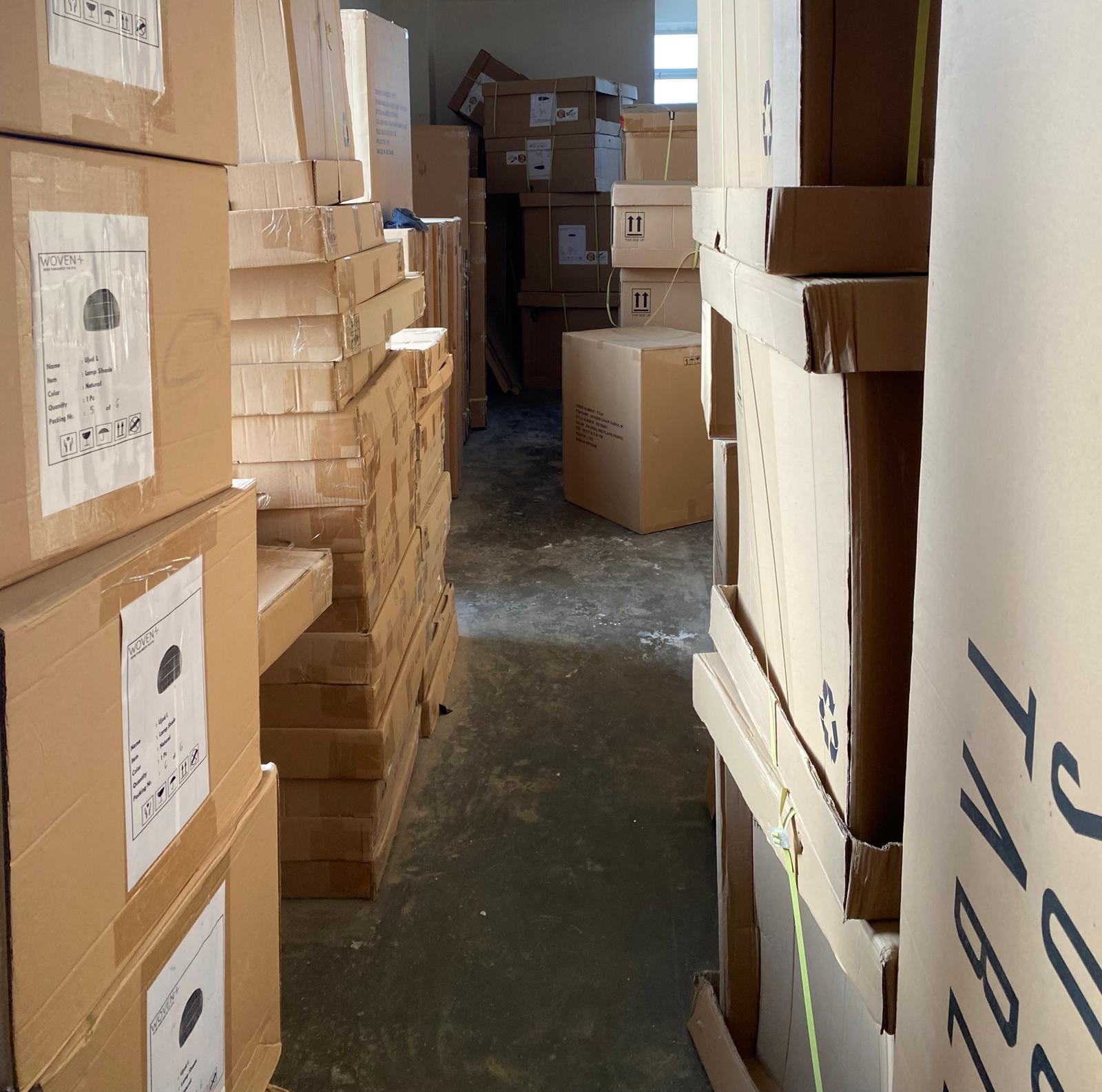
The distribution process involves several considerations:
- Packaging
- Efficiency of deliveries
- Methods of transportation
Consumption
Several factors contribute to the accumulation of furniture over a lifetime. Investing in durable, high-quality pieces is important for longevity. However, individuals often update their interiors to reflect new styles or meet changing needs. External factors such as frequent moves can also influence furniture choices.
Additionally, choosing designs that are easy to maintain and repair helps extend furniture lifespan and supports sustainable living practices.
End of Life: Recycling, Reusing and Repurposing
The environmental impact of furniture goes beyond its use. How it's collected, disposed of, recycled, and reused also plays a crucial role. Unfortunately, consumers bear much of this responsibility, as retailers and manufacturers have limited control in these areas. Increasing awareness and offering better recycling and disposal options can empower consumers to make more sustainable choices, reducing the overall environmental impact of furniture consumption.
Embracing a circular furniture industry
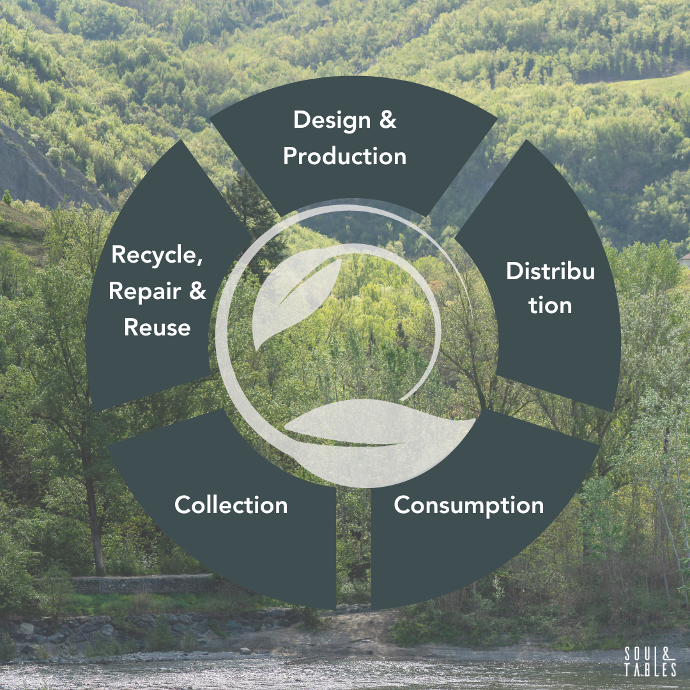
The life cycle of furniture
How Soul&Tables is working towards a circular furniture industry
At Soul & Tables, sustainability is at the heart of our operations. At each part of our furniture's life cycle, we try our best to uphold our core value of sustainability.
- Sustainable design: Our different collections are designed with environmental impact in mind. We only partner with FSC-certified suppliers, ensuring sustainable and ethical sourcing.
- Quality Materials: Our products are manufactured from locally sourced teak, reclaimed teak, or other high-quality solid timber that will stand the test of time. We collaborate with leading providers for hardware such as Blum, Pöttker, and Hettich.
- Efficient Distribution: Our complimentary delivery service minimizes our carbon footprint by optimizing routes. Our planning tool divides Singapore into color-coded zones, allowing our sales team to consolidate and schedule deliveries in the same areas consecutively, reducing trips and enhancing eco-friendliness.
- Lifetime Funiture: We redefine consumption by offering furniture designed to last a lifetime, coupled with complimentary lifetime maintenance services to keep items in pristine condition. Any defect or flaw over time? We will step up to restore your piece to its original glory, eliminating the need to replace it.
- Transfer of Ownership Even if you wish to redecorate, you can sell your furniture with confidence. Our lifetime warranty and maintenance services will continue for the new owner, ensuring lasting care and quality. Maintenance services will remain available to the new owner and may be subject to prevailing service fees, in accordance with our maintenance policy.
- Furniture Rental: Through our partner company, Flexisnug, we offer furniture rentals in Singapore, combating the fast-furniture trend and promoting sustainable consumption.
- End-of-Life Solutions: With our one-for-one complimentary disposal plan, we collect and repurpose, donate, or recycle old furniture when clients purchase new items from us.
Waste is a design flaw!
Despite our efforts, there are still areas where we can improve. Packaging, for instance, remains a challenge as we strive to find sustainable solutions that also ensure safe delivery. We are committed to continuous improvement, always seeking better ways to enhance our sustainability practices.
At Soul & Tables, we are dedicated to this vision, continuously working towards a more circular and eco-friendly future. By choosing sustainably designed, high-quality, and long-lasting furniture, you too can contribute to a healthier planet! Join us on our journey towards a circular furniture industry!
What is what?
How to identify sustainable retailers?
Identifying sustainable retailers involves asking the right questions and evaluating their practices throughout the product life cycle.
Start by checking if they are transparent about their sourcing and manufacturing processes, and look for certifications like FSC or Fair Trade. See if they use eco-friendly, non-toxic materials and have energy-efficient, waste-reducing practices.
Sustainable retailers offer durable products, often provide repair services, and have end-of-life solutions like take-back programs. Additionally, they should follow fair labor practices, use minimal and recyclable packaging, and work towards clear sustainability goals. By considering these factors, you can make informed choices and support genuinely sustainable businesses.